
Product Liability
There are three basic types of defect: Design Defect, Manufacturing Defect, and Marketing Defect. In addition, such a defect may be called a “breach of the implied warranty of merchantability” or breach of “express warranty”.

“The righteous care about justice for the poor,but the wicked have no such concern.”
Proverbs 29:17

What are product defects?
There are three basic types of defect: Design Defect, Manufacturing Defect, and Marketing Defect.
In addition, such a defect may be called a “breach of the implied warranty of merchantability” or breach of “express warranty”.
A “design defect” is a condition of the product that renders it unreasonably dangerous as designed, taking into consideration the utility of the product and the risk involved in its use.
For a design defect to exist there must have been a safer alternative design. “Safer alternative design” means a product design other than the one actually used that in reasonable probability—
- would have prevented or significantly reduced the risk of the [occurrence] [injury] [occurrence or injury] in question without substantially impairing the product’s utility; and
- was economically and technologically feasible at the time the product left the control of ABC Company by the application of existing or reasonably achievable scientific knowledge.
A “manufacturing defect” means a condition of the product that renders it unreasonably dangerous. An “unreasonably dangerous” product is one that is dangerous to an extent beyond that which would be contemplated by the ordinary user of the product, with the ordinary knowledge common to the community as to the product’s characteristics.
A “marketing defect” with respect to the product means the failure to give adequate warnings of the product’s dangers that were known or by the application of reasonably developed human skill and foresight should have been known or failure to give adequate instructions to avoid such dangers, which failure rendered the product unreasonably dangerous as marketed.
“Adequate” warnings and instructions mean warnings and instructions given in a form that could reasonably be expected to catch the attention of a reasonably prudent person in the circumstances of the product’s use; and the content of the warnings and instructions must be comprehensible to the average user and must convey a fair indication of the nature and extent of the danger and how to avoid it to the mind of a reasonably prudent person.
An “unreasonably dangerous” product is one that is dangerous to an extent beyond that which would be contemplated by the ordinary user of the product with the ordinary knowledge common to the community as to the product’s characteristics.
A “breach of implied warranty of merchantability defect” means a condition of the goods that renders them unfit for the ordinary purposes for which they are used because of a lack of something necessary for adequacy.
Under Texas law, a manufacturer or seller may be liable when a product fails to perform as specifically promised or represented. An express warranty can arise from written warranties, advertisements, labels, product descriptions, or direct statements made to the buyer. When consumers rely on those representations and suffer harm or loss because the product does not conform to them, they may have a claim for breach of express warranty.
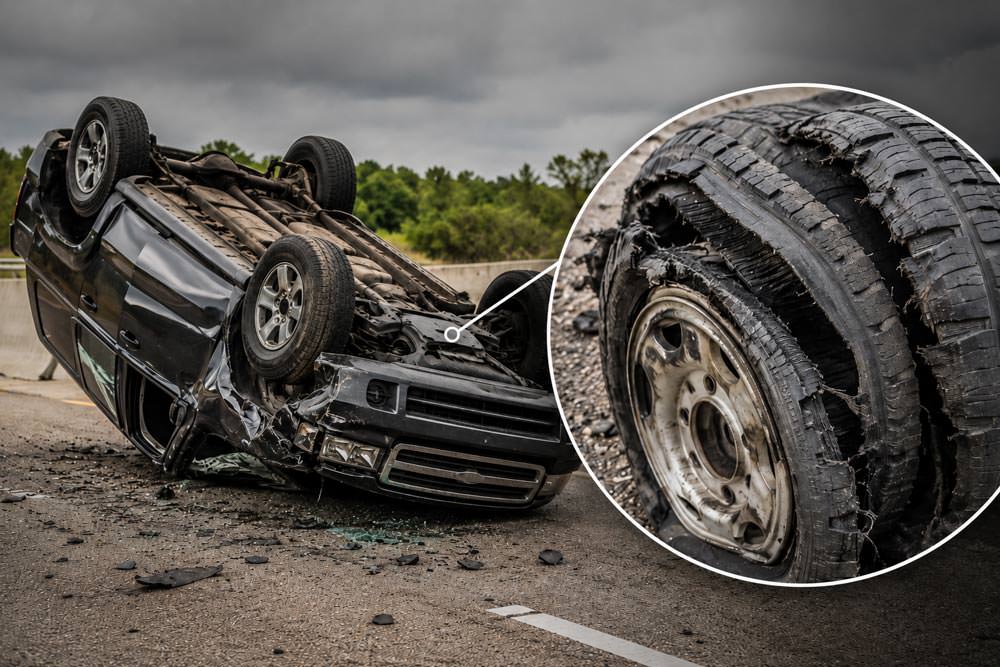
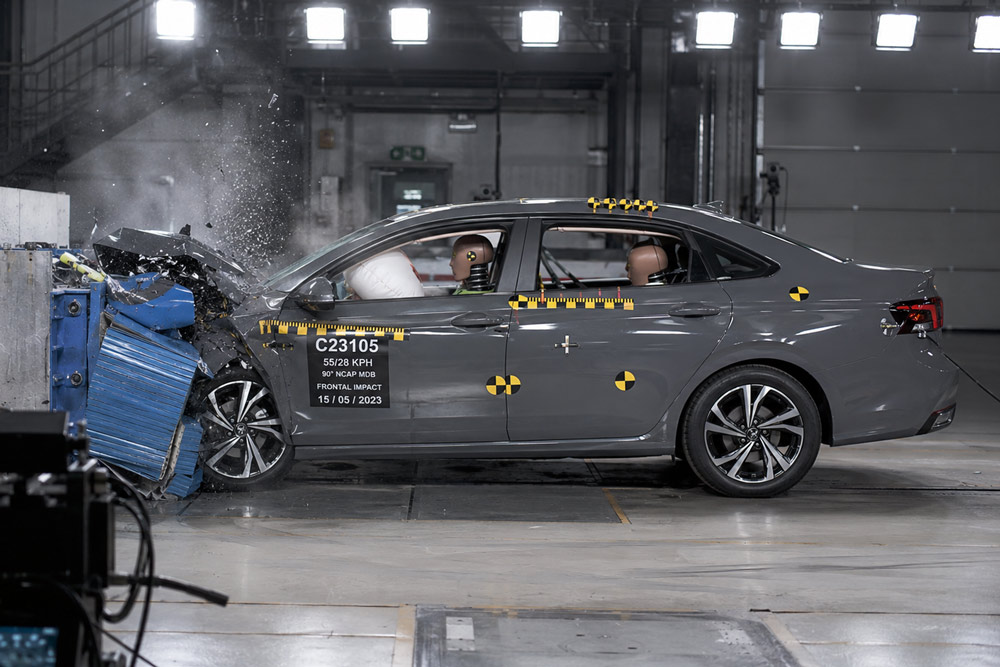
Types of Product Liability cases we have experience with
There are other varieties of product defect, but the above definitions cover most of the common types that lead to the recovery of damages.
- Roof crush injuries
- Restraint system failures – seatbelts and air bags
- Defective tires and wheel failures
- Fuel system failures
- Post collision fuel fed fires (PCFFF)
- Collision Avoidance Technology (CAT) / Advanced Driver Assistance Systems (ADAS)
- Medical devices
- Defective medical prosthetics