Premises Liability
A business owner, homeowner, or landowner can be legally responsible for injuries caused by defects or dangerous conditions on their property.
“For I the Lord love justice, I hate robbery and injustice...”
Isaiah 61:8

What you need to prove your case.
To win a premises liability case, the injured party must prove each of the following elements:
- The business owner/landowner had a condition on their premises that posed an unreasonable risk of harm; and
- The business owner/landowner knew or reasonably should have known of the danger; and
- The business owner/landowner failed to exercise ordinary care to protect persons from the danger by both failing to adequately warn persons of the condition and failing to make that condition reasonably safe.
Invitees enter the premises of another with the owner’s knowledge and for the mutual benefit of both.
Common examples of invitees include customers and hotel guests. Landowners owe invitees the highest degree of care. A landowner owes an invitee a duty to exercise ordinary care to protect him from not only those risks of which the owner is aware, but also those risks which the owner should be aware of after reasonable inspection.
A landowner’s liability to an invitee depends upon whether he acted reasonably in light of what he knew or should have known about the risks accompanying a condition on the premises.
Licensees enter the property of another for their own convenience, pleasure or benefit pursuant to the express or implied permission of the owner (dinner guests).
A landowner owes a licensee the duty to warn of concealed and unanticipated dangers, which are known to the landowner. A licensee is imputed with knowledge of conditions on the premise which are perceptible to him/her, or the existence of which can be inferred from facts within present or past knowledge.
A landowner is under no duty to warn of or make the premises safe if the licensee knows of the dangerous condition.
Trespassers enter the property of another without right, lawful authority or permission, for their own purpose, pleasure or convenience.
With certain limited exceptions, such as the existence of artificial conditions, which are highly dangerous to trespassing children, a landowner owes the trespasser only a minimal duty of care not to injure the trespasser in a willful or wanton manner.
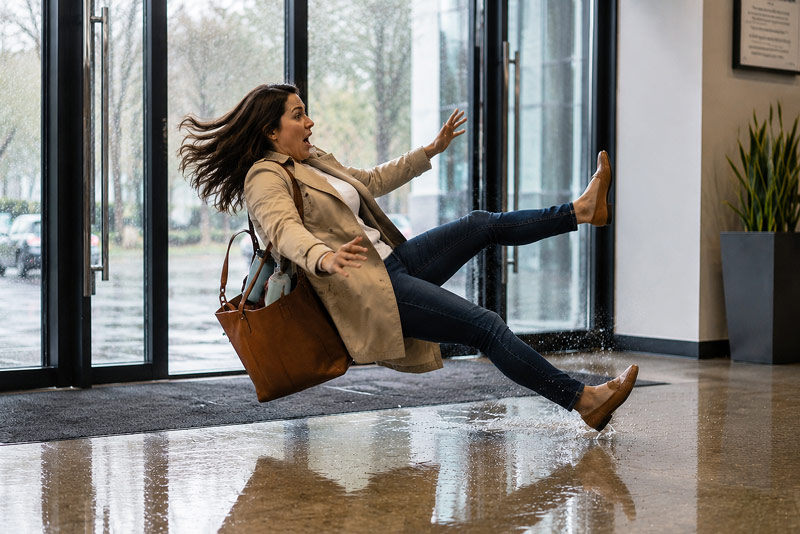
Types of Premises Liability cases we have experience with
Our firm specializes in premises liability cases, expertly navigating the complexities of personal injury claims. We have experience serving clients who have been hurt in:
- Retail establishments - Wal-Mart, Target, Home Depot etc.
- Restaurants
- Business parking lots
- Hotels